




21 Oct Beyond the Sunday Sermon: Building a Church That Lives the Vision by Pastor Jim Graff
One of the most important lessons I have learned in more than 35 years of pastoring is that having a vision and building a church that lives that vision are two very different things.
As pastors, we can spend hours praying, seeking God, and developing a clear picture of what He wants our churches to accomplish. We can communicate that vision in a powerful sermon, put it on our website, and even display it on the walls of our buildings. But none of those things guarantees that our people understand it, embrace it, or know how to participate in it.
The real question is not whether we have a vision. It is whether the vision has become part of the culture of our church.
I remember the early days of Faith Family Church when we were working to establish an identity that reflected what God had placed in our hearts. One of the first phrases we used was, “We’re not here to see through people. We’re here to see people through.”
That statement communicated something important about the kind of church we wanted to become. We were not interested in simply identifying people’s problems or pointing out everything they were doing wrong. We wanted to help them encounter Jesus, grow spiritually, and move forward into the life God had prepared for them.
Over time, our language evolved as our church and community changed. Today, our vision is expressed in four simple words: Celebrate God. Champion People.
Those words are easy to remember, but building a church that consistently lives them requires intentional leadership.
People Need to Hear the Vision More Than Once
I was reminded recently about the importance of seeing the church with fresh eyes. Someone once said that about the time a leader becomes tired of repeating the vision, the people are just beginning to understand it.
I have found that to be true.
As leaders, we live with the vision every day. We pray about it, discuss it in meetings, evaluate decisions through it, and think about what needs to happen next. But the average person attending our church is balancing work, family, responsibilities, and challenges we may never fully understand.
We cannot assume that because we have communicated something clearly once, everyone has embraced it.
That is why vision casting cannot be limited to an annual message or an occasional leadership meeting. It must become part of the ongoing conversation throughout the church.
When people repeatedly hear why the church exists, what God is calling them to accomplish, and how they can participate, the vision gradually becomes something they carry personally.
Your Church Is Communicating Before You Speak
One of the practical principles I shared during the webinar was that we communicate vision through the sign, the stage, and special meetings.
The first is the sign, but I am talking about much more than the words displayed outside a building.
Everything about our campus communicates something to the people who encounter it. What do visitors experience when they drive onto the property? Is the grass maintained? Are the facilities clean? Does the environment communicate that we have prepared for them?
I remember driving onto our campus one morning and noticing a curtain that had become worn. I met with our facilities leader, and we developed a plan to address it.
Someone might wonder why a pastor would concern himself with something as small as an old curtain. The reason is simple: people begin forming impressions about our church before they ever hear the message.
Excellence is not about impressing people with expensive buildings or elaborate decorations. It is about communicating that what happens here matters and that the people who walk through our doors matter to us.
A welcoming environment can reinforce the very message we are preaching.
Use the Stage to Connect People to the Mission
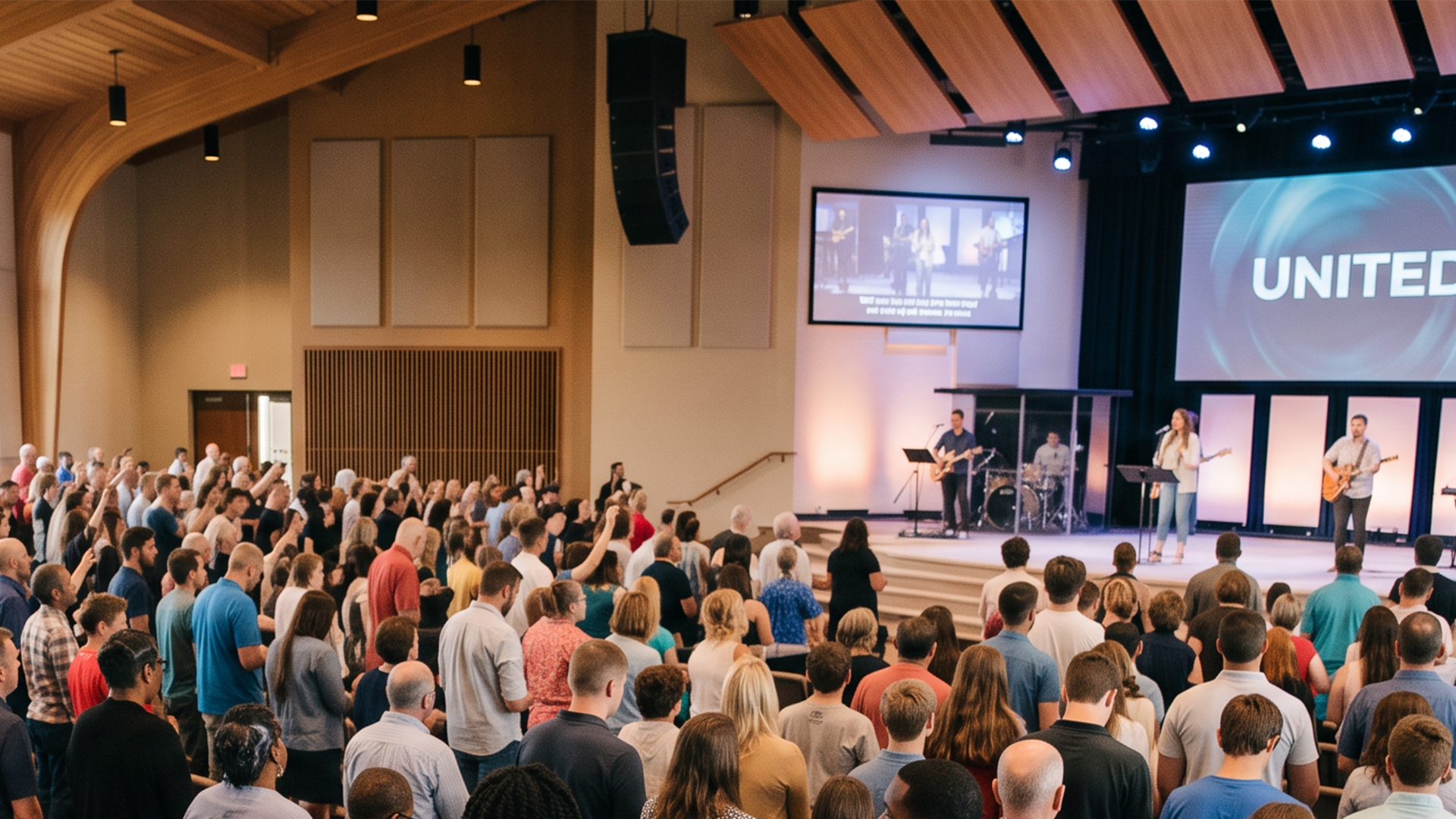
The second place we communicate vision is the stage.
At Faith Family Church, we intentionally use moments during our services to remind people what God is doing and how their participation makes a difference.
For example, we do not spend every week preaching an entire message about tithes and offerings. Instead, we use a portion of our service to communicate vision and give people an opportunity to participate through their generosity.
We want people to understand that their giving is connected to ministry, outreach, discipleship, and changed lives.
The same principle applies when we celebrate baptisms, share testimonies, recognize volunteers, or talk about ministry opportunities.
These are not simply announcements to fill time between worship and preaching. They are opportunities to connect the congregation to the mission.
When someone hears about a life transformed through Jesus, they begin to understand why their service, generosity, and invitations matter.
Vision becomes powerful when people can see what their participation is accomplishing.
Develop Leaders Who Can Carry the Vision
The third way we communicate vision is through special gatherings that allow us to invest more deeply in our leaders.
At Faith Family Church, we have gatherings called Heart for the House. We bring together key leaders, including our Dream Team, Connect Group leaders, Christian school teachers, campus pastors, and ministry leaders.
These gatherings allow us to communicate what God is doing, explain where we believe He is leading us, and strengthen the hearts of those who are helping carry the responsibility.
We also developed a Leadership Academy because we recognized that people can be excellent at completing tasks without fully understanding the purpose behind them.
Some leaders are naturally gifted at organizing and getting things done, but they may need help learning to nurture and disciple people. Others are deeply relational and caring but need encouragement to develop greater intentionality in helping people grow.
Both kinds of leaders need to understand the mission.
Our responsibility is not simply to recruit people who can help us operate the church. It is to develop leaders who understand the heart of the ministry and can reproduce that heart in others.
Make the Mission Practical
At Faith Family Church, we have identified four ways we fulfill our vision: Know God, Find Life, Build Friendships, and Make a Difference.
These commitments help us communicate what spiritual growth should look like.
We want people to develop a personal relationship with God through worship. We want them to experience the abundant life Jesus promised through discipleship. We want them to build friendships that strengthen their faith and help them move forward. And we want them to discover that God has given them gifts and opportunities to make a difference.
Each ministry can evaluate its effectiveness through those commitments.
Children’s ministry can ask whether it is helping children know God. Small group leaders can consider whether people are developing meaningful relationships and growing spiritually. Outreach teams can evaluate whether their efforts are helping people encounter Jesus and discover their purpose.
When the mission becomes practical, leaders can make decisions that support the overall vision without needing the senior pastor to direct every detail.
That is when vision begins becoming culture.
A Vision Worth Repeating
I have learned that effective vision casting requires more than inspiration. It requires prayer, clarity, repetition, and a willingness to evaluate whether our actions reflect what we say we believe.
As you look at your church with fresh eyes, consider what your congregation hears, sees, and experiences every week. Does your environment communicate the heart of your ministry? Do your services regularly connect people to the mission? Are your leaders equipped to explain not only what they do but why they do it?
Most importantly, could the people in your church clearly communicate what God has called your congregation to accomplish?
If the answer is uncertain, don’t become discouraged. See it as an opportunity to strengthen the foundation for your next season.
You don’t need a more complicated vision. You need a vision that is clearly understood, consistently communicated, and faithfully lived.
When the vision moves beyond the pastor’s heart and becomes the shared conviction of the congregation, the church stops depending on a few people to carry the mission. Instead, an entire community begins moving together toward what God has called them to accomplish.
Brought to you by
